Upgrade & Secure Your Future with DevOps, SRE, DevSecOps, MLOps!
We spend hours scrolling social media and waste money on things we forget, but won’t spend 30 minutes a day earning certifications that can change our lives.
Master in DevOps, SRE, DevSecOps & MLOps by DevOps School!
Learn from Guru Rajesh Kumar and double your salary in just one year.
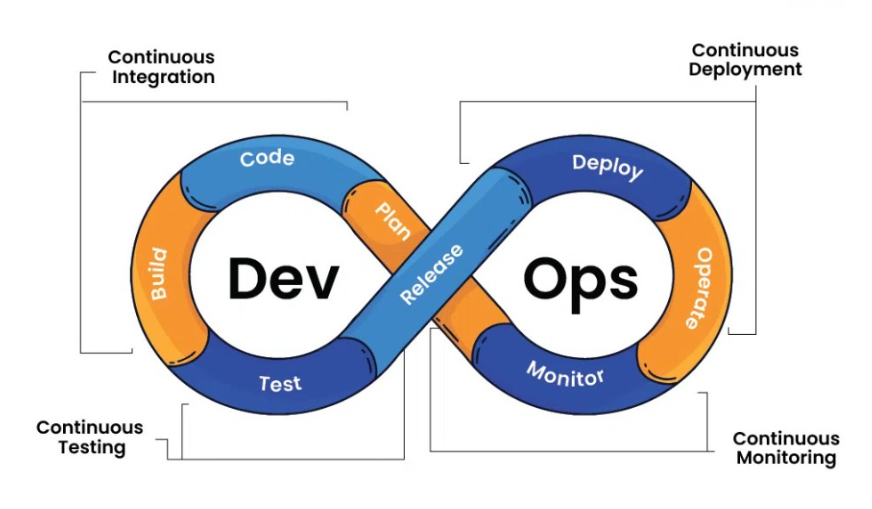
The Importance of DevOps Engineers in Modern Development
DevOps engineers are essential to modern software development. Their primary responsibility is to automate and streamline software delivery processes across development, testing, deployment, and maintenance. The Certified DevOps Engineer (CDE) certification is a globally recognized qualification that equips professionals with critical skills required to manage infrastructure, implement automated CI/CD pipelines, and foster collaboration between development and operations teams. By earning this certification, individuals gain a deeper understanding of the tools, processes, and practices that drive the success of DevOps environments.
What Is the Certified DevOps Engineer (CDE) Certification?
The Certified DevOps Engineer (CDE) certification is an internationally acknowledged credential aimed at certifying the proficiency of professionals in managing and automating development processes within a DevOps framework. This certification covers fundamental principles of DevOps, such as Continuous Integration (CI), Continuous Deployment (CD), infrastructure automation, and container orchestration, among other essential skills.
Who Should Pursue the Certified DevOps Engineer (CDE) Certification?
The CDE certification is ideal for a range of professionals looking to elevate their careers in DevOps. If you fit into any of these categories, the certification is tailored for you:
- Software Developers: Those who want to transition into DevOps roles or enhance their existing knowledge of DevOps methodologies and tools.
- DevOps Engineers: Experienced professionals in DevOps who want to formalize their expertise with a recognized certification.
- Cloud Engineers: Individuals working on cloud platforms who wish to acquire skills in automating infrastructure management and continuous deployment.
- Engineering Managers: Professionals looking to improve team collaboration and streamline the software development lifecycle.
- Security Engineers: Engineers aiming to integrate security practices (DevSecOps) into the DevOps pipeline to ensure secure software deployment.
This certification is for professionals who want to apply DevOps principles to real-world challenges, boost operational efficiency, and enhance team collaboration.
What Projects Will You Be Able to Tackle After CDE?
Upon earning your CDE certification, you will be equipped to manage a variety of impactful projects that are crucial in a DevOps-driven environment. Some of the real-world projects you will confidently handle include:
- Automating CI/CD Pipelines: Setting up automated pipelines to integrate code, perform tests, and deploy software continuously.
- Infrastructure as Code (IaC): Utilizing tools such as Terraform and CloudFormation to automate infrastructure provisioning and ensure consistent, repeatable deployments.
- Container Management: Managing containerized applications using Docker and Kubernetes, optimizing deployment processes, and scaling efficiently.
- Monitoring and Logging: Implementing comprehensive monitoring and logging systems with Prometheus, Grafana, and the ELK stack to detect issues and ensure system health.
- Automated Testing: Integrating testing frameworks into CI/CD pipelines to ensure that only validated code is deployed to production environments.
- Cloud Resource Management: Managing cloud services and resources across platforms such as AWS, Azure, and Google Cloud, automating their deployment and scaling.
These projects will not only improve efficiency but also contribute to a more robust, scalable, and secure infrastructure.
Your Preparation Plan: Study Timelines
Depending on your experience, here are three tailored study plans to help you prepare for the CDE certification:
- 7–14 Days (Experienced Professionals):
- Focus primarily on hands-on exercises and review of key DevOps concepts. Practice automating CI/CD pipelines and container orchestration using tools like Jenkins and Kubernetes.
- 30 Days (Intermediate Knowledge):
- Study DevOps principles, including infrastructure automation, CI/CD workflows, and containerization, while practicing with hands-on labs. Focus on implementing automation tools and containerized applications.
- 60 Days (Beginners):
- Start by covering the fundamentals of DevOps, such as the principles behind CI/CD and the tools used in the DevOps lifecycle. Work on mini-projects and gradually build hands-on experience with Docker, Jenkins, and Terraform.
Common Mistakes to Avoid When Preparing for CDE
While preparing for the CDE exam, here are some common mistakes to avoid:
- Overloading on Theory: DevOps is a practical field, so make sure you balance theoretical study with hands-on experience.
- Skipping Cloud Platforms: Cloud platforms like AWS, Azure, and GCP are central to DevOps workflows, so ensure you’re comfortable working with them.
- Neglecting Networking and Security: Networking and security are crucial to managing infrastructure. Don’t ignore these foundational areas when studying for the CDE.
- Relying on a Single Tool: DevOps utilizes a wide range of tools. Familiarize yourself with tools like Jenkins, Docker, and Terraform to gain comprehensive knowledge.
- Ignoring Continuous Learning: DevOps is constantly evolving. Make it a habit to stay updated on the latest trends, tools, and methodologies in the field.
What Are the Best Next Certifications After CDE?
After earning your CDE certification, consider pursuing the following to further hone your skills:
- Specialization Certifications:
- Certified Kubernetes Administrator (CKA): Master Kubernetes to manage containerized applications at scale.
- Certified Jenkins Engineer (CJE): Deepen your expertise in Jenkins, an essential tool for continuous integration and continuous delivery.
- Security-Focused Certifications:
- Certified Cloud Security Professional (CCSP): Ideal for professionals transitioning into DevSecOps, focusing on securing cloud environments.
- Advanced Leadership Certifications:
- Certified DevOps Professional (CDP): Advance your leadership role in DevOps transformation within organizations.
- Certified Agile Leadership (CAL): A great option for managers aiming to lead DevOps teams using agile principles.
Choose Your Career Path After CDE
Once you have your CDE certification, there are several directions you can take. Here are six key paths to consider:
- DevOps: Specialize in automating development pipelines and fostering collaboration between development and operations teams to ensure continuous delivery.
- DevSecOps: Focus on integrating security practices into the DevOps process to ensure secure and compliant deployments.
- Site Reliability Engineering (SRE): Take on a role focused on ensuring system reliability, availability, and scalability within large-scale applications.
- AIOps/MLOps: Blend DevOps with machine learning to optimize infrastructure management with AI-driven insights and automation.
- DataOps: Apply DevOps principles to data engineering, ensuring more efficient and reliable management of data pipelines.
- FinOps: Manage financial operations in cloud environments, optimizing cloud spending while maintaining scalability and performance.
Role → Recommended Certifications Mapping
Here’s a helpful guide to match your role with the right certifications:
| Role | Recommended Certifications |
|---|---|
| DevOps Engineer | CDE, Jenkins Engineer, Kubernetes Administrator |
| SRE | Kubernetes Administrator, Cloud Practitioner |
| Platform Engineer | CDE, Terraform Associate, AWS Solutions Architect |
| Cloud Engineer | AWS Solutions Architect, Azure Solutions Architect |
| Security Engineer | CCSP, DevSecOps Engineer |
| Data Engineer | Google Data Engineer, Azure Data Engineer |
| FinOps Practitioner | AWS Cloud Financial Management, Google Cloud FinOps |
| Engineering Manager | CDE, Agile Leadership Certification |
Top Institutions Offering CDE Training and Certifications
Several top institutions offer hands-on training and certification programs for CDE. Here are a few you should consider:
- DevOpsSchool: Known for its comprehensive training, DevOpsSchool offers instructor-led sessions, live labs, and real-time project support.
- Cotocus: Offers flexible, real-time training schedules and a focus on practical labs that mirror real-world DevOps scenarios.
- SCMGalaxy: Offers industry-relevant training and prepares candidates for the CDE certification with use case-based learning.
- BestDevOps: Specializes in CI/CD, containerization, cloud technologies, and more, providing robust certification support.
- DevSecOpsSchool: Focuses on integrating security practices within DevOps, ensuring the development pipeline is secure and resilient.
- SRESchool: Provides training in Site Reliability Engineering, complementing DevOps best practices.
- AIOpsSchool: Offers training to incorporate AI and machine learning in DevOps operations to enhance automation.
- DataOpsSchool: Specializes in applying DevOps principles to data management workflows, enhancing data delivery.
- FinOpsSchool: Offers specialized training in managing cloud costs within the DevOps framework.
Next Certifications to Pursue After CDE
Once you’ve successfully earned the Certified DevOps Engineer (CDE) certification, it’s important to keep your skills fresh and continue expanding your expertise. There are several advanced certifications you can pursue to specialize further, gain leadership roles, or branch out into other related areas. Here’s a breakdown of three key paths to consider:
1. Same Track Certifications
These certifications allow you to deepen your knowledge and skills in the same area of DevOps.
- Certified Kubernetes Administrator (CKA):
Kubernetes is one of the most widely used platforms for automating the deployment, scaling, and management of containerized applications. As a Certified Kubernetes Administrator, you will learn to manage Kubernetes clusters, monitor containerized applications, and scale them efficiently. This is an ideal certification to enhance your container orchestration skills. - Certified Jenkins Engineer (CJE):
Jenkins is a vital tool for automating continuous integration and continuous deployment (CI/CD). As a Certified Jenkins Engineer, you will gain expertise in configuring and maintaining Jenkins pipelines, which are central to DevOps processes. This certification validates your ability to integrate Jenkins with other DevOps tools and platforms to streamline development workflows.
2. Cross-Track Certifications
These certifications expand your skills into related areas, offering opportunities for career growth across different domains.
- Certified Cloud Security Professional (CCSP):
If you’re looking to incorporate security within your DevOps workflows, this certification is ideal. CCSP focuses on cloud security and is essential if you are transitioning into DevSecOps (DevOps with security integration). It covers areas like cloud infrastructure, governance, risk management, and compliance. This certification is valuable as security is a crucial aspect of modern DevOps practices. - Certified Ethical Hacker (CEH):
For those interested in the security side of DevOps, becoming a Certified Ethical Hacker will help you understand and apply ethical hacking techniques. It allows you to identify vulnerabilities in cloud infrastructure and systems, which is crucial when securing DevOps pipelines and automated environments.
3. Leadership Certifications
If you’re ready to take on managerial or leadership roles within DevOps or related fields, these certifications will equip you with the strategic and leadership skills you need to guide teams effectively.
- Certified DevOps Professional (CDP):
As you progress in your career, transitioning into a leadership role becomes an option. The CDP certification is an advanced qualification designed for professionals managing large-scale DevOps transformations. This certification focuses on the strategic aspects of DevOps, including organizational change management, team collaboration, and continuous improvement at scale. - Certified Agile Leadership (CAL):
The CAL certification helps you understand how to integrate Agile principles with DevOps workflows at the leadership level. It is ideal for managers looking to adopt and promote agile practices across teams, ensuring the successful implementation of DevOps principles. This certification focuses on leadership, change management, and fostering an agile culture within the organization.
Choosing the Right Path
After completing your Certified DevOps Engineer (CDE) certification, deciding on the next step depends on your career goals. Whether you want to specialize in areas like Kubernetes and Jenkins, dive into security, or step into a leadership position, these certifications will help you grow and thrive in the evolving field of DevOps.
Frequently Asked Questions About CDE
1. How hard is the Certified DevOps Engineer exam?
It’s a challenging exam, but with dedicated preparation, it’s manageable. The exam tests both theoretical knowledge and hands-on skills in DevOps tools.
2. What are the prerequisites for the CDE exam?
Basic understanding of cloud platforms, programming, and automation tools is recommended. Some familiarity with Docker, Jenkins, and Kubernetes will help.
3. How long should I study for the CDE certification?
If you’re experienced, 7–14 days might be enough. For others, plan for 30–60 days of study depending on your current knowledge.
4. What are the key topics for the CDE exam?
Key topics include cloud platforms (AWS, Azure, GCP), automation tools, containerization (Docker, Kubernetes), and continuous integration/deployment practices.
5. Can I get a DevOps job without the CDE?
Yes, experience is key, but the CDE certification helps validate your skills and makes you more competitive in the job market.
6. What career opportunities can I expect after the CDE?
Roles such as DevOps Engineer, Cloud Engineer, SRE, Platform Engineer, and Engineering Manager are all possible career outcomes.
7. How long is the CDE certification valid?
The CDE certification is valid for three years, after which you will need to renew it.
8. What are some challenges I may face in DevOps?
Challenges include managing multiple tools, ensuring security in the pipeline, and controlling cloud costs while maintaining system reliability.