Upgrade & Secure Your Future with DevOps, SRE, DevSecOps, MLOps!
We spend hours scrolling social media and waste money on things we forget, but won’t spend 30 minutes a day earning certifications that can change our lives.
Master in DevOps, SRE, DevSecOps & MLOps by DevOps School!
Learn from Guru Rajesh Kumar and double your salary in just one year.
Introduction
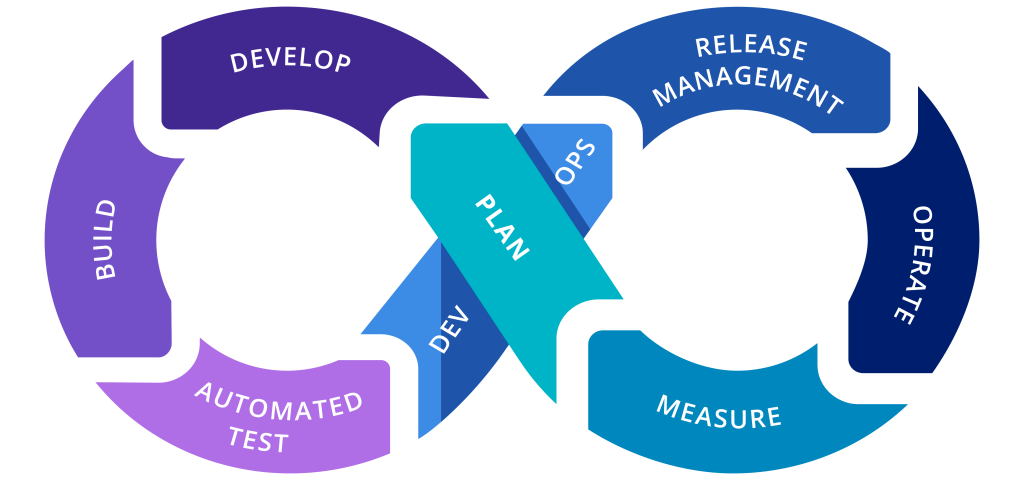
The Certified DevOps Professional (CDE) certification is designed to empower engineers and managers with the skills needed to effectively implement and manage DevOps practices in modern IT environments. With the rise of automation, continuous integration and delivery (CI/CD), and the increasing demand for faster, reliable software delivery, the CDE certification has become a valuable credential for IT professionals.
Whether you’re an aspiring DevOps Engineer, a seasoned IT professional, or a manager looking to enhance your team’s performance, this guide will help you understand everything you need to know about the Certified DevOps Professional certification and how it can advance your career.
What is the Certified DevOps Professional (CDE) Certification?
The Certified DevOps Professional certification validates your ability to apply DevOps principles and practices in real-world settings. It covers the entire DevOps lifecycle, including automation, CI/CD pipelines, monitoring, and collaboration across development, operations, and security teams.
This certification is provided by leading training organizations such as DevOpsSchool and focuses on equipping professionals with hands-on skills and best practices for continuous integration, deployment, and overall DevOps success.
Who Should Take the Certified DevOps Professional Certification?
- DevOps Engineers: Those who want to refine their skills and increase their expertise in managing and automating the entire software development lifecycle.
- Cloud Engineers: Professionals who are tasked with implementing cloud-based solutions and require an understanding of DevOps practices to optimize cloud operations.
- Platform Engineers: Engineers working on the infrastructure and platform layers who aim to integrate DevOps practices for seamless deployments and scalability.
- Engineering Managers: Managers who need to understand DevOps practices to lead teams effectively, improve efficiency, and align development and operational goals.
Skills You’ll Gain
Upon completing the CDE certification, you will gain the following essential skills:
- Proficiency in automation tools like Jenkins, Ansible, and Chef
- Expertise in setting up and managing CI/CD pipelines
- In-depth understanding of version control systems like Git and SVN
- Ability to deploy cloud infrastructure with tools like AWS, Azure, and Kubernetes
- Familiarity with containerization (Docker, Kubernetes)
- Advanced knowledge of monitoring tools such as Nagios, Prometheus, and Grafana
- Competence in security practices for the DevOps environment
Real-World Projects You Should Be Able to Do After Certification
After earning your Certified DevOps Professional certification, you will have the skills and knowledge to tackle various real-world projects in DevOps environments. These projects will showcase your ability to implement DevOps best practices and leverage automation tools effectively. Some of the key projects you should be able to handle include:
- Automating the CI/CD Pipeline: Implementing a continuous integration and delivery pipeline using tools like Jenkins, GitLab CI, or CircleCI to automate code deployments.
- Containerizing Applications: Using Docker and Kubernetes to containerize applications and deploy them across different environments.
- Cloud Infrastructure Management: Setting up and managing cloud services using AWS, Azure, or Google Cloud, including automating infrastructure as code (IaC) with tools like Terraform.
- Setting Up Monitoring Systems: Deploying monitoring tools such as Prometheus, Grafana, or Nagios to monitor application and system performance in real-time.
- Security Automation: Integrating automated security checks in your CI/CD pipeline, performing vulnerability scanning, and ensuring that security practices are embedded into the development process.
- Disaster Recovery Plan Setup: Creating and testing disaster recovery plans, ensuring business continuity and minimal downtime during failures.
- Cost Optimization in Cloud: Leveraging FinOps principles to monitor, manage, and optimize cloud spending by applying best practices for cost efficiency.
Preparation Plan
7-Day Plan: For those with prior DevOps knowledge, spend the first few days reviewing the core concepts and tools used in the DevOps lifecycle. Dedicate time to hands-on practice with CI/CD tools and cloud platforms.
30-Day Plan: If you’re new to DevOps or need to strengthen your foundation, spread your preparation over a month. Spend the first two weeks learning theory and tools, and then dive into real-world projects, focusing on automation and cloud infrastructure in the last 10 days.
60-Day Plan: For those who prefer a thorough study plan, take two months to dive deep into each DevOps concept. Start with version control systems, progress to CI/CD, and spend a few weeks practicing cloud platforms and infrastructure automation.
Common Mistakes
- Skipping the Basics: Make sure you’re comfortable with version control, as it is fundamental to DevOps processes.
- Neglecting Security: Security is a critical aspect of DevOps. Failing to include security practices in your pipeline can lead to vulnerabilities.
- Not Practicing Enough: DevOps tools and practices require hands-on experience. Without practical exposure, it’s difficult to fully grasp the concepts.
- Rushing Through the Exam: Don’t rush the certification exam. Take your time to understand the questions and apply what you’ve learned.
Best Next Certification After This
Once you’ve obtained the Certified DevOps Professional (CDE) certification, your next steps can further solidify your expertise or broaden your skill set in related fields. Here are the best certifications to consider:
- Same Track Certifications:
- DevSecOps Certification: If you’re interested in security within DevOps, this certification will deepen your understanding of integrating security into the DevOps pipeline.
- Certified Kubernetes Administrator (CKA): Specialize in container orchestration and become proficient in managing Kubernetes clusters, a critical skill in modern DevOps environments.
- Cross-Track Certifications:
- Certified Cloud Architect: For those looking to focus more on cloud platforms, this certification will solidify your knowledge of designing and managing cloud infrastructure, especially with platforms like AWS, Azure, and Google Cloud.
- Certified AIOps Professional: A great choice for those who wish to incorporate artificial intelligence and machine learning techniques into their DevOps workflows for better automation and insights.
- Leadership Certifications:
- Certified Cloud Leader: For those transitioning to managerial roles, this certification will guide you through cloud management strategies and leadership principles.
- Certified Agile Leader: As DevOps is closely tied with agile methodologies, this certification can help you lead agile teams effectively while maintaining DevOps principles.
Choose Your Path: Learning Paths
The Certified DevOps Professional certification provides a solid foundation, but there are several specialized learning paths that you can pursue next, depending on your interests and career goals. Here are six key learning paths:
- DevOps Path:
- Focus on mastering DevOps culture, CI/CD pipelines, and automation tools. Learn how to build and scale DevOps workflows, streamline processes, and integrate different systems for continuous delivery.
- DevSecOps Path:
- Specialize in integrating security at every stage of the software development lifecycle. Learn about automated security checks, secure code practices, and managing compliance in a DevOps environment.
- SRE (Site Reliability Engineering) Path:
- Focus on ensuring system reliability and availability. Learn how to design, deploy, and monitor highly available systems while applying DevOps principles to improve infrastructure and operations.
- AIOps/MLOps Path:
- Combine artificial intelligence and machine learning with DevOps to automate workflows, analyze large datasets, and create intelligent systems that enhance DevOps processes. A great path for those interested in data-driven automation.
- DataOps Path:
- Learn how to apply DevOps principles to data pipelines. Automate the management and deployment of data-related systems, ensuring fast, reliable, and secure data operations.
- FinOps Path:
- Specialize in financial operations within the cloud. Learn how to optimize cloud costs, manage budgets, and provide financial insights to organizations through automated cost monitoring.
Role → Recommended Certifications
| Role | Recommended Certifications |
|---|---|
| DevOps Engineer | CDE, Certified Kubernetes Administrator, DevSecOps |
| SRE | CDE, Google Cloud Professional Cloud Engineer |
| Platform Engineer | CDE, AWS Certified Solutions Architect |
| Cloud Engineer | CDE, AWS Certified DevOps Engineer |
| Security Engineer | DevSecOps, Certified Ethical Hacker (CEH) |
| Data Engineer | CDE, Data Engineering with Azure, Google Cloud Professional Data Engineer |
| FinOps Practitioner | FinOps Certified Practitioner, CDE |
| Engineering Manager | CDE, Google Cloud Professional Cloud Architect |
FAQs on Certified DevOps Professional
1. How difficult is the Certified DevOps Professional certification?
The exam is challenging, as it requires hands-on experience with DevOps tools and principles. However, with consistent preparation, you can pass.
2. What are the prerequisites for the Certified DevOps Professional certification?
There are no strict prerequisites, but a basic understanding of software development, version control, and cloud platforms is recommended.
3. How long does it take to prepare for the CDE exam?
It typically takes 30 to 60 days, depending on your prior experience and study plan.
4. What is the value of the Certified DevOps Professional certification in the job market?
The CDE certification is highly recognized globally and can significantly enhance career opportunities in DevOps roles.
5. What are the best resources for studying for the CDE exam?
DevOpsSchool provides training courses and study materials that are specifically designed for this certification.
6. Is the CDE certification recognized internationally?
Yes, the certification is widely recognized by organizations around the world, especially those embracing DevOps practices.
7. Can I take the CDE exam online?
Yes, the exam is available online and can be taken from anywhere.
8. What is the passing score for the CDE exam?
The passing score is generally set at 70% or higher, depending on the exam version.
Next Certifications to Take
- Same Track: DevSecOps Certification
- Cross-Track: Certified Kubernetes Administrator (CKA)
- Leadership: Certified Cloud Architect
Top Institutions for CDE Training and Certification
- DevOpsSchool: Offers comprehensive training and certification for DevOps professionals, including the CDE.
- Cotocus: Specializes in DevOps training, providing hands-on experience with DevOps tools and automation techniques.
- SCMGalaxy: Known for its practical approach to DevOps and cloud certifications, SCMGalaxy prepares candidates for real-world projects.
- BestDevOps: Focuses on providing in-depth DevOps training and certifications with a focus on industry-relevant skills.
- DevSecOpsSchool: Offers specialized training for those looking to integrate security practices with DevOps.
- SRESchool: Training for Site Reliability Engineering, focusing on DevOps culture and practices.
- AIOpsSchool: Provides AIOps and MLOps certifications to automate and scale DevOps processes using AI.
- DataOpsSchool: Specialized in DataOps certifications, bridging the gap between DevOps and data management.
- FinOpsSchool: Offers training in cloud financial management for DevOps professionals.
Conclusion
The Certified DevOps Professional certification is an essential credential for those looking to excel in the fast-growing field of DevOps. It validates your skills in automating, managing, and securing the software development lifecycle using industry-standard tools and best practices. By completing this certification, you’ll not only gain technical expertise but also the ability to lead DevOps initiatives that drive efficiency, speed, and collaboration in organizations.
After certification, pursuing further specialized certifications and choosing the right learning path will enable you to refine your skills in specific areas such as cloud, security, data operations, and financial management. DevOps professionals are in high demand, and with this certification, you’ll be well-positioned to seize advanced career opportunities and help your organization achieve success in today’s digital-first world.
By investing in continuous learning and growth, you’re building a solid foundation for long-term career success. Whether you’re advancing in your current role or preparing for leadership positions, the Certified DevOps Professional certification is a powerful step in your professional development.
